
Roof leaks are a big problem for many homeowners in Ireland. Even a small leak can cause damage to your ceiling, walls, and insulation. Over time, it can lead to mould and expensive repairs.
Most leaks do not happen by chance. They start at certain weak points on your roof. Identifying the source of the leak can help you quickly identify the problem. This saves money and prevents problems.
In this article, we will introduce you to 12 of the most common roof leak entry points in Ireland. You will learn how these systems work and how to identify them.
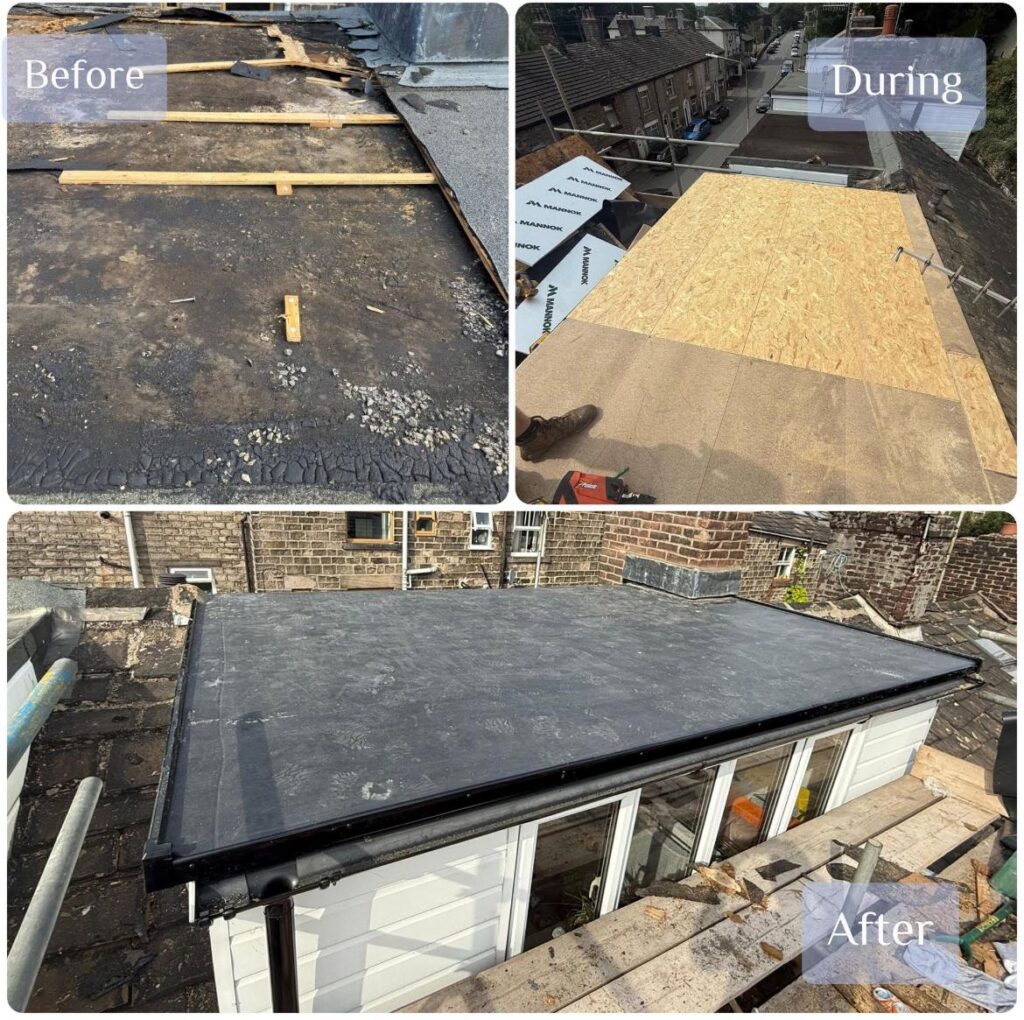
How Roof Leaks Start in Irish Homes
Roof leaks begin to crumble. Water finds its way into cracks or weak spots. Once inside the home, it can crawl under the roof, siding, or insulation. Before long, it will look like stains on your roof or deck.
Most leaks happen at common roof leak locations. These are spots where materials meet, like around chimneys, vents, or skylights. A small break or crack can allow water to enter. Regular roof inspections can prevent leaks.
12 Most Common Roof Leak Entry Points
Most roof leaks start at a few weak spots. These are the main roof leak entry points to watch. Knowing them helps you find problems early. It also stops small leaks from turning into big damage.
1. Flashing Failures (Most Common Roof Leak Cause)
One of the most common causes of roof leaks is flashing. Flashing is thin wires that are installed on your roof. It’s in chimneys, dormers, walls, and skylights. If the flashing goes out, water can enter your home.
There are many reasons for flashing failures:
- Improper installation: Damaged or cracked seams allow water to enter.
- Weather hazards: Heavy rain, wind, and snow can cause cracks or lift flashing.
- Dirt and Rust: The former is stored and not sealed properly.
Signs flashing are failing:
- Water stains near chimneys, dormers, or walls
- Loose, bent, or cracked flashing
- Drips during heavy rain
Fixing flashing quickly is important. A flashing leak repair stops water from spreading inside. Check chimneys and dormers often. Chimney flashing leaks and dormer window roof leaks happen a lot in Irish homes.
Look in your attic on a rainy day. You can spot water trails before the ceiling shows any stains.
2. Chimney and Roof Intersections
Another common entry point is where the chimney meets the roof. Without proper insulation, water can enter these spaces.
Leaks around the chimney are usually caused by:
- Cracked plaster: Water seeps through cracks in the brick.
- Bad flashing: Loose or rusted metal lets water in.
- Water pooling: Low levels near the furnace can collect and hold moisture, causing leaks.
Examples of leaky chimneys:
- Water stains are built into the wall or ceiling near the chimney
- Leaks or cracks in flashing
- Bury in soft rock or sand.
Check your attic above the chimney after rain. Even a small damp spot can show a hidden leak.
3. Roof Valleys (Where Two Roof Slopes Meet)
Roof valleys are where two parts of your roof meet. They guide rainwater off your roof. Because water flows here fast, valleys are one of the most common roof leak entry points.
Leaks can happen if:
- Debris blocks the valley: Leaves, moss, and twigs trap water.
- Flashing is damaged: Rusted or cracked flashing lets water in.
- Poor installation: Gaps or misaligned flashing cause leaks.
Signs of a valley leak:
- Water dripping inside near the roof slope
- Stains on walls or ceilings under the valley
- Bent or damaged flashing
Keep valleys clean. Check flashing often. Valley roof leaks often start small but can cause big damage if ignored. Watch for valley flashing problems early.
4. Roof Penetrations (Vents, Pipes & Skylights)
Any hole in your roof is a potential leak. Roof penetrations include vents, plumbing pipes, and skylights. These are common roof leak entry points.
Leaks happen because:
- Seals wear out: Rubber collars or caulk can crack over time.
- Poor fitting: Pipes or vents not sealed properly let water in.
- Skylight issues: Bad flashing or worn seals can cause skylight leaks in Ireland.
Signs of a leak:
- Water stains near vents, pipes, or skylights
- Drips inside during heavy rain
- Loose or cracked collars around pipes
Inspect vents, pipes, and skylights at least twice a year. Roof vent leak detection is easier during rain. Fix small leaks early to prevent bigger damage.
5. Missing or Broken Roof Tiles / Shingles
Shingles keep your roof safe from rain and wind. Over time, wind, hail, and sun can damage them. Sometimes, shingles can also come loose if they were not installed correctly. Missing or broken shingles are one of the most common ways roofs start to leak.
Why leaks happen:
- Strong winds or storms can lift or blow shingles away.
- Hail can crack or break shingles.
- Sun and rain slowly make shingles weak.
When shingles are damaged, water can get underneath and reach the roof deck. This can cause leaks inside your home.
Signs to watch for:
- Shingles are missing or broken.
- You see shingle granules in gutters.
- Water stains appear on ceilings after rain.
Check your roof after storms. Replace damaged shingles quickly. This helps prevent roof leaks in Ireland.
6. Clogged Gutters and Poor Drainage
Gutters move rainwater away from your roof. If they get blocked with leaves, moss, or debris, water can’t flow properly. The water can back up and reach the roof edges, causing leaks. Clogged gutters are a common reason roofs start leaking.
Why leaks happen:
- Fallen leaves and twigs block water.
- Moss or algae build up in gutters.
- Damaged or poorly sloped gutters let water stay.
Signs to watch for:
- Water is spilling over the gutter edges.
- Stains on walls or under the roofline.
- Moss or damp spots near gutters.
Clean your gutters often, especially in autumn. This stops water from backing up and causing roof leaks in Ireland.
7. Ice Dams and Winter Weather Damage
Ice dams form when snow on your roof melts and then freezes at the edges. This blocks water from running off. The water can then slip under shingles and cause leaks.
Leaks happen because:
- Roof tops are warmer than edges, melting snow unevenly
- Cold edges freeze the water into ice
- Blocked gutters make the problem worse
Signs of ice dams:
- Icicles along the roof edges
- Water stains inside near the eaves
- Damp patches on ceilings
Keep gutters clean and attic insulated. Ice dams are a common roof leaks in Ireland.
8. Age-Related Roof Deterioration
Roofs wear out over time. Tiles can crack, membranes can tear, and the sun weakens materials. Old roofs are more likely to leak.
Leaks happen because:
- Rain, wind, and sun damage materials over the years
- Roof materials shrink, crack, or wear out
- Older flashing and seals may fail
Signs of roof aging:
- Cracked or missing tiles
- Worn roof membranes
- Water stains inside
Check roofs regularly, especially if over 15–20 years old. These are the main age-related roof failures and a common roof leak in Ireland.
9. Dormer and Wall Flashing Failures
Dormers and walls need good flashing to stay watertight. If flashing cracks, rusts, or is fitted badly, water can get in easily.
Leaks happen because:
- Poor flashing installation
- Weather wears down metal or seals
- Cracks where the dormer meets the roof or the wall
Signs of dormer leaks:
- Water stains around dormer windows
- Drips along walls or ceilings
- Loose or damaged flashing
Dormer window roof leaks are common in Irish homes. Check the dormer and wall flashing often. Quick flashing leak repair stops water from spreading.
10. Ridge Cap and Hip Damage
Ridge caps and hips seal the top edges of your roof. If they are cracked, loose, or lifted by the wind, water can enter.
Ridge caps and hips are important parts of your roof. Leaks can happen if they are damaged.
Why leaks happen:
- Wind lifts ridge caps.
- Mortar cracks on the hips.
- Sealant or flashing wears out.
Signs to watch for:
- Water stains along the roof ridge.
- Drips from ceilings near the ridge.
- Cracks or gaps in ridge caps.
Check ridge caps and hips after storms. Fixing problems early prevents bigger damage.
11. Overhanging Trees and Roof Debris
Branches and leaves near your roof can cause leaks.
Why leaks happen:
- Branches scratch or tear shingles.
- Leaves and debris hold water on the roof.
- Moisture seeps under trapped debris.
Signs to watch for:
- Torn or damaged shingles.
- Moss or algae near blocked areas.
- Trim branches and clean leaves regularly to keep your roof safe.
12. Wildlife Damage and Rooftop Equipment
Animals and rooftop items can damage your roof.
Why leaks happen:
- Birds or rodents scratch and chew roofing materials.
- Equipment can create punctures or loosen flashing.
- Water enters through holes left by animals or equipment.
Signs to watch for:
- Small holes or punctures on the roof.
- Animal tracks or droppings near equipment.
- Water stains around rooftop items.
Check your roof often. Fix small holes quickly. Secure equipment and keep animals away to prevent leaks.
Attic Condensation vs Roof Leaks
Water in your attic is not always a leak. Sometimes, it is condensation from warm air touching cold surfaces.
| Type of Moisture | Why it Happens | Signs to Look For | What to Do |
| Condensation | Warm air meets cold attic surfaces | Even damp patches, musty smell, no dripping during rain | Improve ventilation, add insulation, control humidity |
| Roof Leak | Water enters through damaged shingles, flashing, or weak spots | Drips after rain, irregular wet spots, ceiling stains | Inspect the roof, trace water, and repair shingles or flashing |
Check your attic during and after rain. This helps you spot leaks and know which roof parts to inspect.
How to Trace a Roof Leak
Finding the source of a leak helps you fix it properly. Water can travel far from where it enters.
- Check the Attic – Look for wet spots, damp insulation, or water stains.
- Follow the Water – Trace wet areas along beams or rafters to find the entry point.
- Inspect Common Entry Points – Check flashing, shingles, valleys, vents, and skylights.
- Look for Visual Clues – Look for cracks, loose shingles, or damaged flashing.
- Test with Water (Optional) – Use a hose to simulate rain while someone watches inside.
This shows leaks that only appear during heavy rain.
Inspect your roof during or right after rain. This makes it easier to find roof leaks and see exactly where they start.
Prevention and Maintenance Tips for Irish Homeowners
A strong roof protects your home. Most leaks can be avoided with regular checks. Small actions now save you from big repairs later.
- Check your roof often: Look for missing shingles, cracked flashing, or worn areas.
- Keep gutters clean: Remove leaves, moss, and debris so water flows freely.
- Fix flashing quickly: Inspect chimneys, dormers, skylights, and vents. Repair any damage.
- Trim tree branches: Stop branches from scraping shingles and dropping debris.
- Watch for old roof wear: Check tiles, membranes, and seals, especially on older roofs.
- Inspect the attic: Look for damp spots, mold, or water stains.
Regular care prevents many roof leak causes in Ireland. It also protects common roof leak locations before they become a problem.
Conclusion
Roof leaks are a big problem. Most leaks start in places like chimneys, plumbing, roofing, or old furnaces. By inspecting your roof regularly and fixing small problems early, your home will stay safe and dry.
If you have symptoms, it’s best to call a professional. Aspect Roofing and Property Maintenance can help transform the look and feel of your home and furnishings. They specialize in finding and fixing leaks in your home. Their team can quickly detect problems and fix them, keeping your home safe.
Don’t wait for a small spark to turn into a fire. Contact Aspect Roofing and Property Maintenance today for a roof leak detection and fixing service. Protect your home and stop worrying!
FAQs
Where do most roof leaks happen?
Leaks often start at flashing around chimneys, valleys, or roof penetrations.
Why does my roof leak when it rains?
Missing shingles, damaged flashing, or worn sealant can let water in.
How do I find where my roof is leaking?
Check your attic for water trails. Inspect flashing and roof penetrations.
Can a roof leak without visible damage?
Yes. Leaks often start under flashing or roof layers where you can’t see them.
Why does my chimney leak when it rains?
Damaged chimney flashing, cracked crown, or old mortar can cause leaks.
What causes roof valley leaks?
Rusted valley flashing or poor shingle installation can let water in.
Do roof leaks always come from the roof?
No. Attic condensation or plumbing issues can look like roof leaks.
How much does leak detection cost in Ireland?
Professional leak detection usually costs between €150 and €350.
Can clogged gutters cause roof leaks?
Yes. Water can back up under shingles at the roof edges.
Why does my roof leak in one spot?
Local damage to flashing, shingles, or seals often causes leaks in one area.
Do old roofs leak more?
Yes. Sealants wear out, and materials get brittle with age.
How long does it take to find a roof leak?
A professional inspection usually takes 1–3 hours to trace the leak.