

Most fences don’t suddenly collapse after a storm. The damage often begins long before anything looks wrong, and in many cases, homeowners don’t notice it at first.
Ireland’s frequent rain, damp conditions, strong winds, and changing temperatures place constant stress on fences and gates. When problems like leaning posts or rotting timber become obvious, the underlying damage has usually been there for months.
These problems rarely feel urgent. Together, they point to gradual weather-related wear that becomes harder to ignore over time. Regular maintenance can prevent many of these problems before they become serious.
In the sections below, you’ll find a simple seasonal maintenance checklist designed for Ireland’s changing weather. It will help you protect your fence or gate, improve safety, and keep your property looking its best throughout the year.
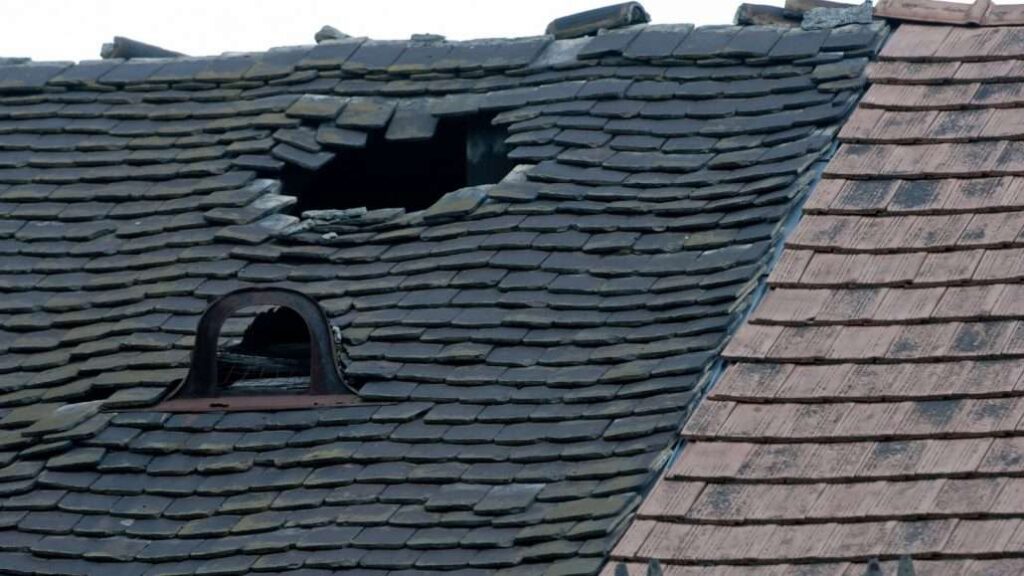
Why Does Irish Weather Damage Fences and Gates Faster?
Ireland’s climate puts fences and gates under pressure in ways that many other countries don’t experience.
It’s rarely one spell of bad weather that causes the problem. More often, it’s the steady cycle of rain, damp air, wind, and changing temperatures that slowly wears materials down over time.
Knowing how each weather condition affects your fence makes it easier to spot early warning signs and deal with small issues before they become costly repairs.
| Weather Condition | How It Affects Fences & Gates |
| Frequent Rain | Timber absorbs moisture, increasing the risk of swelling, rot, and decay. |
| Damp Air | Hinges, screws, and other metal fittings can gradually develop rust. |
| Strong Winds | Fence posts may loosen, panels can shift, and gates often fall out of alignment. |
| UV Exposure | Prolonged sunlight dries out timber, which can lead to cracking and faded protective finishes. |
| Frost & Temperature Changes | Water trapped in small cracks expands as it freezes, making existing splits worse during winter. |
Seasonal Fences and Gates Checklist and Maintenance Irish Weather
Every season brings different challenges for fences and gates in Ireland. Following a simple property maintenance routine throughout the year can help prevent damage, reduce repair costs, and extend their lifespan.
The checklist below shows what to look for in each season.
Spring Fence & Gate Checklist and Maintenance
Winter can leave behind more damage than you might expect. Weeks of rain, damp conditions, and strong winds often loosen fixings, encourage moss growth, and put extra strain on timber, even when everything appears to be in good shape. A thorough inspection in early spring gives you the chance to catch small problems before they become costly repairs.
Spring Inspection Checklist
| Task | Why It Matters |
| Check fence posts | Spot movement or leaning before it worsens. |
| Remove moss and algae | Reduce trapped moisture and allow timber to dry more quickly. |
| Inspect timber | Identify cracks, rot, and loose boards before they spread. |
| Test gates and hinges | Keep gates operating smoothly and safely. |
| Check paint or stain | Maintain a protective barrier against rain and UV exposure. |
| Trim nearby plants | Improve airflow and reduce lingering dampness. |
Spring Maintenance Tasks
Start by walking the length of the fence and checking that each post feels solid. If you notice any movement, leaning, or loose panels, it’s worth dealing with them before spring growth and changing weather place even more pressure on the structure.
Next, remove moss, algae, and built-up dirt, especially around the base of the fence where moisture tends to linger. Cleaning these areas improves the appearance of the fence while allowing the timber to dry out more efficiently after wet weather.
Open and close each gate to check that it moves freely and latches properly. If the hinges squeak or feel stiff, applying a weather-resistant lubricant will usually restore smooth movement in just a few minutes.
Finish by looking for peeling paint, faded stains, or exposed timber that may need touching up. It’s also a good time to cut back climbing plants and overgrown hedges, giving the fence better airflow and reducing the amount of moisture held against the wood.
Summer Fence & Gate Checklist and Maintenance
Summer offers the best conditions for maintenance jobs that are difficult to tackle during wetter months. With timber drying more quickly, it’s easier to apply protective treatments, replace worn components, and deal with small repairs before autumn rain arrives.
Summer Inspection Checklist
| Task | Why It Matters |
| Refresh paint or wood stain | Restore protection against rain and UV exposure. |
| Seal exposed timber | Prevent moisture from penetrating vulnerable areas. |
| Replace damaged boards | Stop small defects from spreading. |
| Tighten loose hardware | Keep the fence stable and secure. |
| Check for shrinkage | Identify gaps or cracks before autumn. |
Maintenance Tasks
Begin by checking the condition of the paint or wood stain. If the finish is peeling, fading or wearing away, clean the surface thoroughly and let the timber dry before applying a fresh coat.
Where moss, algae, or built-up dirt are present, pressure washing can provide a cleaner surface before the timber is left to dry and treated with a fresh coat.
Sealing bare patches helps keep water out, and replacing damaged boards prevents nearby sections from coming under extra strain. It’s also worth tightening hinges, brackets, screws and gate latches, as they can gradually work loose with everyday use and seasonal movement.
Before summer comes to an end, take a final look for small cracks or gaps caused by dry conditions. Minor shrinkage is common, but sealing exposed areas before the wetter months return gives rainwater fewer places to seep into the timber.
Autumn Fence & Gate Checklist and Maintenance
Autumn is your last opportunity to deal with small maintenance jobs before winter arrives. As the weather becomes wetter, windier, and less predictable, fences stay damp for longer, leaving timber more vulnerable to rot and weather damage.
Autumn Maintenance Checklist
| Task | Why It Matters |
| Clear leaves and debris | Prevent moisture from building up around timber. |
| Tighten fixings | Reduce movement during winter storms. |
| Check drainage | Protect fence posts from prolonged dampness. |
| Trim nearby plants | Improve airflow and reduce surface moisture. |
| Inspect the entire fence | Identify repairs before winter arrives. |
Autumn Maintenance Tasks
Clear fallen leaves, moss, and other debris from around fence posts and the base of the panels. Leaving this build-up in place traps moisture and increases the risk of mould, algae and rot.
Next, tighten any loose hinges, brackets, screws, and gate latches. While you’re there, check for standing water around fence posts, as poor drainage can weaken timber below ground over time.
Trim back tree branches, climbing plants, and overgrown hedges that touch the fence. Better airflow helps the timber dry more quickly and reduces unnecessary wear on painted or stained surfaces.
Finish with a final inspection. Check that the posts remain upright, the panels feel secure, and the gate opens and closes smoothly.
Winter Fence & Gate Checklist and Maintenance
Winter isn’t the ideal time for major repairs. Wet, cold, and windy conditions make many timber treatments less effective, so the priority is to spot problems early and prevent them from worsening.
Winter Maintenance Checklist
| Task | Why It Matters |
| Inspect after storms | Spot damage before it worsens. |
| Check gates and hinges | Keep moving parts working properly. |
| Monitor drainage | Reduce prolonged moisture around fence posts. |
| Secure loose sections | Prevent minor damage from spreading. |
| Delay major treatments | Apply paint or stain only in suitable conditions. |
Autumn Maintenance
After strong winds, inspect the fence for leaning posts, loose panels, missing fixings, or fresh cracks. Dealing with minor damage early can prevent more serious repairs later.
Check that the gates open and close smoothly, and lubricate any stiff or noisy hinges as needed. Also look for standing water around fence posts, as prolonged dampness can weaken the timber over time.
Secure any loose boards or panels as soon as possible, but leave painting, staining, and other protective treatments until drier weather returns.
Signs Your Fence Needs Professional Repair
Routine maintenance goes a long way, but some problems need more than a DIY fix. Constant exposure to rain, damp conditions, and strong winds can gradually weaken a fence until repairs become unavoidable.
You may want to consider professional repairs if you notice:
- The fence is leaning or feels unstable, even after tightening fixings.
- Fence posts feel soft, rotten, or move at ground level.
- Large cracks, splitting timber, or damage are spreading across several panels.
- The gate no longer opens, closes, or aligns properly after basic adjustments.
- The same repairs are needed year after year.
- Storm damage has left multiple panels or posts loose, damaged, or unstable.
A damaged fence doesn’t always need replacing. In many cases, replacing a post, repairing a few boards, or reinforcing weak sections is enough to restore its strength.
However, if the damage involves structural movement, widespread rot, or several failing sections, it’s worth asking a professional to assess the fence. They can identify which parts need repairing, which can be saved, and whether a full replacement is actually necessary.
Acting early usually keeps repair costs lower and prevents minor damage from becoming a much bigger problem after another season of wet and windy weather.
Frequently Asked Questions
How often should fences and gates be inspected in Ireland?
A quick inspection once each season is enough for most properties. It’s also a good idea to check your fence after strong winds or prolonged rainfall, as small issues like loose fixings or leaning posts are easier to repair when caught early.
What’s the best time of year to paint or stain a wooden fence?
Late spring and summer are usually the best times. Dry timber allows paint and wood stain to bond properly, giving longer-lasting protection against the weather.
Can moss and algae actually damage a fence?
Yes. Moss and algae trap moisture against the timber, increasing the risk of rot, mould and gradual deterioration, especially in shaded areas.
Should I repair a leaning fence or replace it?
That depends on the cause. If the problem is limited to a loose post or a small section, a repair may be enough. If the fence has widespread rot or structural damage, replacing it is often the better long-term option.
How long should a well-maintained fence last?
It depends on the material, installation quality, and how exposed the fence is to the weather. With regular cleaning, inspections, and timely repairs, most fences will last considerably longer than those left without routine maintenance.
Conclusion
A fence plays an important role in protecting your property, but it performs best when it’s looked after throughout the year.
Regular seasonal checks can help you spot small problems before they develop into more expensive repairs, while also extending the life of your fence or gate.
If you notice leaning posts, rotten timber, or gates that no longer operate properly, arranging fence and gate repair early can prevent further damage.
As part of a wider property maintenance routine, regular inspections also help keep outdoor structures in good condition.