If you live in Ireland, you’ve probably noticed moss growing on your roof. The weather here is wet, damp, and often cloudy. These cause moss growth. Firstly, nothing may look damaged, just green patches on your roof. But in the long run, moss can cause real damage.
Moss holds water like a sponge. It can lift shingles and tiles. It makes the roof surface weak. This can cause leaks, rot, and costly repairs. The longer you ignore it, the worse it gets. That is why it is important to act quickly.
You can remove moss yourself or hire a professional for roof moss removal in Ireland. In this article, I’ll talk about why moss is so dangerous, how it can damage your roof, and what you can do to get rid of it.
I’m going to show you some easy ways to stop it from happening again. Doing so now can help protect your roof and prevent costly repairs later.
Why Is Moss Growing on Roofs in Ireland?
Moss is easy to grow in Ireland. It often rains heavily, strong winds and sunny weather in Ireland. All of these factors contribute to the growth and proliferation of moss.
Moss also likes shade. Roofs under trees or with north-facing slopes get less sun. Leaves and twigs that collect on your roof can hold water. This gives moss a place to start growing.
Moss is not just ugly. It holds water and can slowly damage your roof. That is why it is important to prevent roof moss early and understand why moss is bad for roofs.
Ireland’s Climate and Moss Growth
The Irish weather makes moss very common. Rain keeps roofs wet. Humidity makes moss grow fast. Low sunlight means moss does not dry out. This is why roofs need regular checks and cleaning.
Roof Types in Ireland Most Prone to Moss
Some roofs are more likely to get moss than others. Asphalt shingles, clay or concrete tiles, and slate trap water in small gaps. This lets moss root easily. Smooth metal or flat roofs usually stay cleaner. Knowing your roof type helps you choose the right way to clean and stop moss from coming back.
The Hidden Dangers of Moss on Your Roof
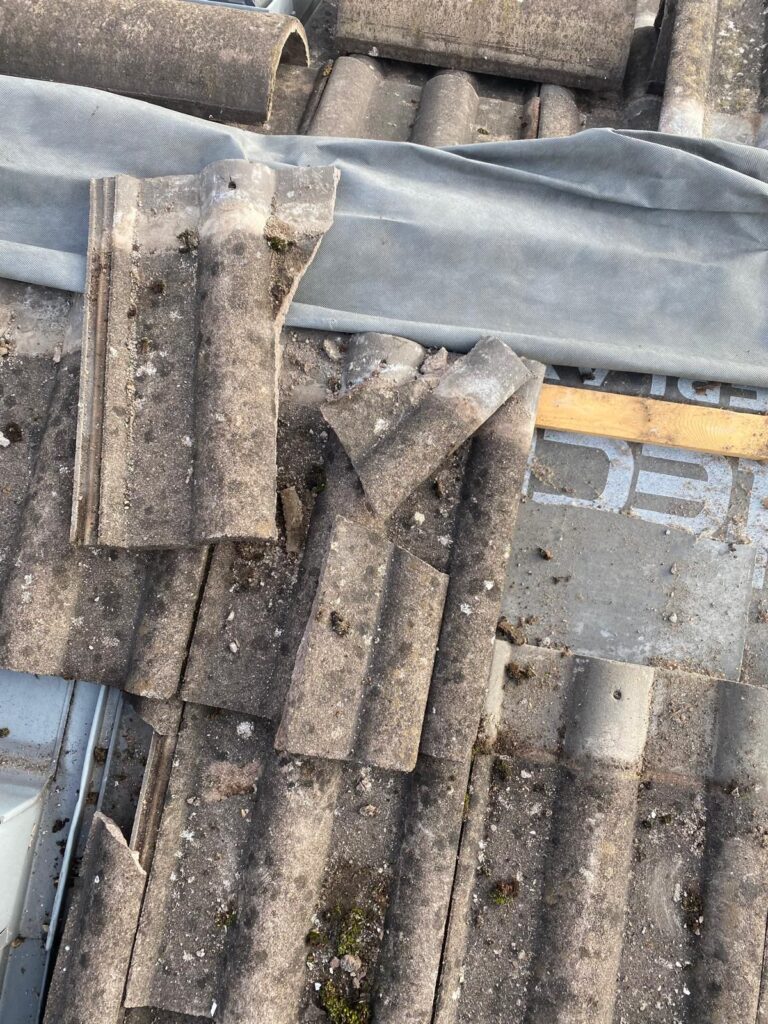
A little moss on your roof may look harmless, but it can cause serious damage roof if you ignore it. Moss holds water on your roof. Every time it rains, that water soaks into shingles, tiles, or slate. Over time, this weakens your roof. Shingles can lift, tiles can crack, and leaks may appear.
Moss also causes moss retention on the roof moisture. It keeps your roof damp long after the rain stops. This trapped moisture can rot wooden parts, soften shingles, and even cause mould in your attic.
A small green patch can quickly turn into a big problem. Moss traps leaves and dirt, too. This adds weight and stops water from draining. Gutters and roof valleys can get blocked, making the damage worse. Thatched roofs tend to dry out faster than roofs.
Moss isn’t just a mess. It can damage your roof’s life, and it is difficult to clean. Therefore, it is important to remove the moss first. You can remove it yourself or hire a professional roof moss removal service in Ireland.
How Moss Damages Shingles and Flat Roofs
You may think that moss is not a threat to your home. But the problem will get big. Over time, moss can reduce the lifespan of your home and can lead to more expensive repairs.
That is why moss damage to shingles in Ireland is a problem you should take seriously. Moss is not just ugly; it can be a dangerous issue on the roof if ignored.
How Moss Traps Moisture and Causes Roof Damage
Moss works like a sponge. It holds water after it rains and keeps your roof wet. This constant moisture can wear down shingles and tiles. Wood under your roof can start to rot. The roof structure can weaken. Moss can also lead to mould and leaks. This is why moss retention on the roof’s moisture is so harmful. Even a small patch can quietly damage your roof over time.
Moss Root Systems: Lifting and Cracking
Moss has tiny root-like threads that grow under shingles and tiles. These threads push and lift the roofing materials. When shingles or tiles lift, water can slip underneath.
This causes leaks and softens the wood underneath. Lifted or cracked shingles are also more likely to break in the wind, rain, or frost. Moss does not just sit there. It slowly weakens your roof.
Signs Your Roof Needs Moss Removal Now
You don’t have to wait for a leak to know moss is causing problems. There are clear signs you can spot early.
Visual Signs from the Ground
- Thick green patches on your roof, especially in shady areas, are a warning. Moss spreads fast in damp spots.
- Look for curled, cracked, or lifted tiles and shingles. Moss holds water, which weakens the roof and can lift tiles.
- Dark streaks, green lines, or uneven roof edges show moss or moisture problems. Even small patches can grow quickly if ignored.
Gutters and Attic Indicators
- Check your gutters. Moss debris or granules from shingles may collect there. This shows your roof is breaking down.
- Look inside your attic. Damp spots or a musty smell may mean water is getting under the roof.
If your roof feels soft or saggy in places (only if it’s safe to check), moss may have trapped water for a long time, weakening the wood. This can damage your roof, lift tiles, cause cracks, and leaks.
The longer it goes on, the worse the damage will be and the more expensive the repair will be. Early removal of moss can help reduce. Act now, save money, and save your home.
The best time of year to remove moss in Ireland
Choosing the right time to remove moss is important. The weather is a big deal in Ireland. The best time for roof moss removal in Ireland is during the winter months, when it’s easier to remove stumps, and it’s better to do the job in the comfort of your own home.
Avoid washing during heavy rain, snow, or ice. A leaky roof and snow can cause the tiles to crack. Working in these conditions increases the risk of accidents and damage to your roof.
Late spring or early autumn is the best time. Warm climates, dry roofs, and moss are easy to clean and brush off or treat with a roof cleaning moss Ireland solution. It also protects your shingles and tiles from unnecessary dust.
Why DIY Moss Removal Can Be Dangerous
You might think that removing moss from your home is easy. I also thought so too. But that can be very risky. Many people try and end up doing more harm than good.
It’s not just about cleaning the moss. It’s about staying safe and protecting your roof. That’s why it’s important to understand the risks of DIY moss removal.
Roof Damage Risks From Wrong Tools
Using the wrong tools can cause serious damage roof. Pressure washers, metal brushes, or scrubbing too hard can lift or crack shingles and tiles.
Even a small mistake lets water in and can cause leaks or rot. Soft washing or gentle brushing with the right solution is safer. This removes moss without damaging your roof.
Other risks include:
- Walking on fragile tiles can break them.
- Using strong chemicals in high amounts can damage shingles or tiles.
- Ignoring weak areas of the roof can make them collapse under your weight.
Personal Injury Risks
Moss is slippery. Walking on moss-covered tiles can make you fall. Ladders can slip, and steep roofs make it worse. Chemicals used for moss removal can irritate your skin, eyes, or lungs if not handled properly.
Other safety risks include:
- Working alone without help in case of an accident.
- Reaching awkward spots can strain your back or cause a fall.
- Wet or sunny weather can increase the chance of accidents.
DIY moss removal might seem simple, but it comes with real dangers. Using the right tools, following safety guidelines, or hiring a professional can help keep you and your home safe. Being careful can help prevent roof damage and protect your home in the long term.
How to Remove Moss from Roofs Safely (Step by Step).
If you follow the proper procedures, it’s easy to remove moss from your roof. I have seen many people make mistakes and damage their roofs or hurt themselves.
If you follow this guide, you can clean your roof carefully and learn how to remove roof moss safely.
Pre-Clean Safety Maintenance
Before you begin, here are a few things:
- Weather: Use only on warm, sunny days. Stay away from wind, rain, and snow.
- Ladders: Make sure they are stable and on solid ground.
- Protection: Wear gloves, goggles, and water shoes.
- Roof pitch: Steep roofs are risky. Only climb if it feels safe.
- Helper: Have someone on the ground in case you need help.
Doing these checks keeps you safe and makes the job easier.
Gentle Removal Methods
Then, gently remove the moss:
- Use a soft brush or broom. Do not use metal brushes.
- Brush slowly, following the sides. Brushing upwards can lift them.
- Work slowly in small sections. Rushing can cause damage or slips.
- Step only on solid areas or use boards. Avoid standing on moss-covered tiles.
This method removes moss without hurting your roof.
Using a Moss-Killing Roof Treatment
After brushing, the treatment stops moss from coming back. Here’s what to do:
- Choose a safe product like a moss-killing roof treatment or the best moss killer for roofs in Ireland.
- Spray it evenly on the moss. Avoid overspraying onto plants or gutters.
- Let it sit for the recommended time, usually a few hours to a day. This kills the moss roots.
- Rinse gently with a low-pressure hose if needed. Never use a pressure washer.
This process cleans your roof and helps prevent roof moss from growing again.
Professional Moss Removal Methods
Removing moss yourself is not the same as having it done professionally. I’ve seen many people try DIY cleaning and end up damaging their roofs or having moss come back quickly.
Professionals use tested methods that give long-term results. If you want your roof to stay strong and clean, professional moss removal services are the safest choice.
In Ireland, the wet climate, shade, and low sunlight make moss grow fast. Professionals know how to deal with these conditions. They remove moss carefully without damaging shingles, tiles, or gutters.
Soft Washing vs Pressure Washing for Moss
Many homeowners think pressure washing is the fastest way to clean moss. I’ve seen this go wrong. High-pressure water can lift shingles, crack tiles, and push water under the roof. Even small damage can cause leaks and rot.
Professionals use soft washing instead. This uses low-pressure water and safe cleaning solutions. It removes moss gently and stops it from spreading. Soft washing is the best method for roof cleaning moss in Ireland.
Soft washing keeps your roof safe and removes almost all moss. Pressure washing can damage shingles and shorten your roof’s life.
Specialist Biocide Treatments
After cleaning, professionals apply specialist biocide treatments. These are strong formulas that stop moss from coming back. They reach moss roots and protect roof materials.
A moss-killing roof treatment applied by professionals can last months or years. It prevents regrowth, protects tiles and shingles, and reduces maintenance.
Using soft washing with professional biocides keeps your roof clean, strong, and long-lasting. Hiring a professional is not just about cleaning. It also protects your roof from moss damage roof problems in the future.
Preventing Moss Regrowth After Removal
Cleaning moss from your roof is just the first step. If you want your roof to stay clean, you need to stop moss from coming back. Many homeowners remove moss only to see it grow again in months.
Following the roof moss prevention tips can save you time and money. Here’s how to prevent moss growth on the roof and keep it strong.
Zinc Strips and Copper Solutions for Prevention
One of the best ways to stop moss is to use zinc strips or copper. Rainwater carries tiny amounts of metal across your roof. This stops moss from growing.
Place the strips under the roof ridge. Water flows over them naturally. In Irish weather, zinc strips can last 10–20 years. Copper works the same way. This method is an easy way to prevent roof moss for a long time.
Improve Drainage and Reduce Shade
Moss loves damp and shady areas. You can make your roof less friendly to moss by letting sunlight in and keeping it dry.
- Trim overhanging branches to let light reach your roof.
- Clear leaves, dirt, and debris from gutters and valleys. This allows water to drain quickly.
- Keep the edges of the roof clean and dry if possible.
This simple step will reduce moss growth and extend the life of your roof.
Scheduled management and annual maintenance
Even after repair, maintenance is key. Using preventive biocide treatment every 1-2 years can help prevent moss from coming back.
Check your roof each year. Remove any small patches of moss before they spread. Using these roof moss prevention tips keeps your roof clean, strong.
Cost of Professional Roof Moss Removal in Ireland
The cost of roof moss removal in Ireland depends on the size of the property, the extent of moss growth, the materials used, and the location. Amount you can expect to pay:
- Small roof: €150–€300
- Minimum roof (average): €300–€500
- Large or solid roof (with or more): €500–€900+
What Affects the Price
- Size: A Big roof takes time and effort.
- Steep or high roofs: Harder to reach, so more expensive.
- Moss Conditions: Heavy or old grass needs extra effort.
- Roof material: Fragile tiles or slate need careful cleaning.
- Location: Some areas have higher travel or service fees.
Doing it yourself may seem cheaper. But it can damage your roof or cause accidents. Professionals cost more, but they are safer and more effective.
They clean moss and stop it from coming back. Hiring a pro protects your roof and can save money in the long run.
Conclusion
Moss is more than just an eyesore. Dangerous moss on the roof can lift tiles, trap water, and cause leaks. The longer it stays, the worse the damage and the higher the repair costs.
Check your roof early. Catching moss before it spreads saves money and keeps your home safe. You can try cleaning yourself safely, but hiring a professional is often a better option.
In Ireland, roof moss removal is done safely and effectively by experts. Aspect Roofing and Property Maintenance is one of the best for roof cleaning and moss removal. They use proven methods, protect your roof and stop moss from coming back.
Don’t wait for moss to damage your roof. Contact Aspect Roofing and Property Maintenance today for a roof cleaning and moss removal service. Keep your roof strong, clean, and safe!
FAQs
Is moss on my roof dangerous?
Yes. Moss holds water, lifts shingles, and speeds up roof damage.
How does moss damage a roof?
Moss roots get under tiles and shingles. They lift them and trap water, causing rot.
Can I remove moss myself?
It’s not recommended. You risk falling, damaging your roof, or leaving moss behind.
How much does moss removal cost in Ireland?
It usually costs €300–€800, depending on roof size and how much moss there is.
Will moss come back after removal?
Yes, if you don’t use prevention like zinc strips or biocide treatments.
Should I pressure wash moss off my roof?
No. High pressure can damage shingles. Soft washing is safer and works well.
What kills moss on roofs for good?
A professional biocide treatment plus zinc or copper strips prevents moss from coming back.
How long does moss removal take?
For an average home, it usually takes 4–8 hours, depending on roof size and moss coverage.
Does moss affect my roof warranty?
Some warranties may be void if moss damage is left untreated.
What is the best time to remove moss from my roof?
Autumn and spring are ideal. Avoid the inter months in Ireland when frost or wet weather can make it unsafe.