
A roof leak can start at any time. One heavy rain is enough. Water can drip through the ceiling fast. This can scare anyone.
A leaking roof is an emergency. But rushing can make things worse. Wet roofs are slippery. Quick fixes can fail. Safety must come first.
This article helps you stay calm. It shows simple roof leak first aid steps. These steps help you protect your home right away. They do not fix the roof.
You will learn what to do when your roof is leaking. You will learn how to slow the damage. These steps help before the roofer arrives.
If you have an emergency roof leak in Ireland, start here. Act fast, stay safe. Protect your home until help arrives.
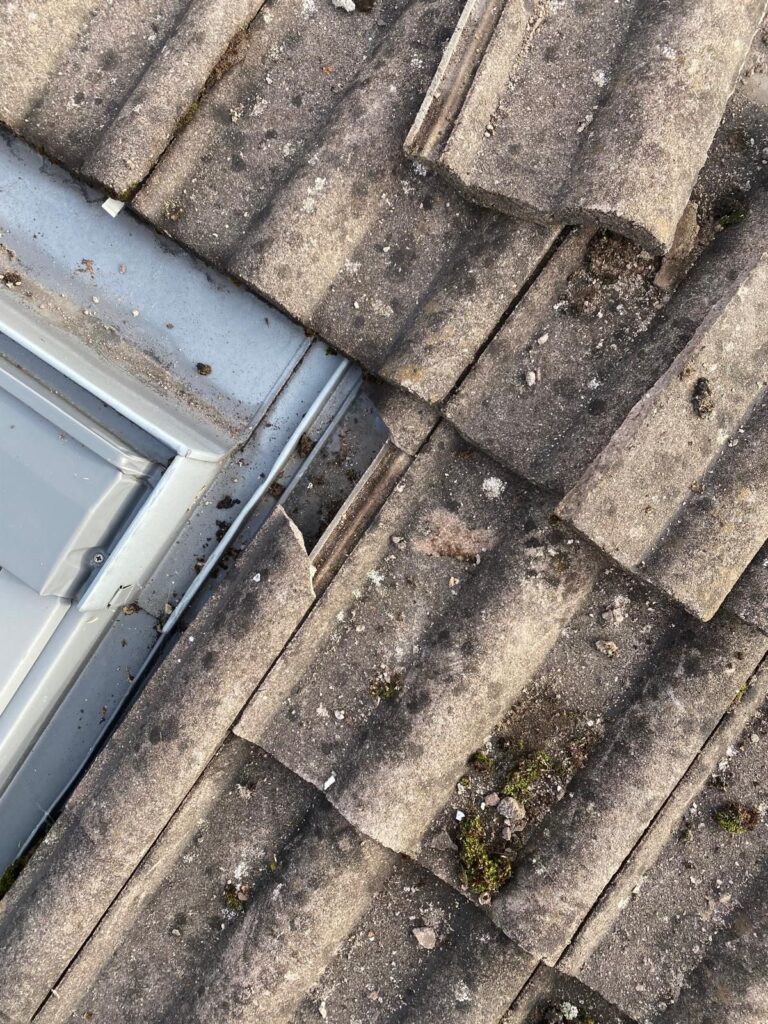
Immediate Steps When You Discover a Roof Leak
Finding a roof leak can be scary. The first few minutes are very important. The most important thing is to stay calm and stay safe. Take a deep breath and look carefully at the leak. Don’t try to go onto a wet or slippery roof. It is very dangerous.
Make sure the area around the leak is safe. Watch for falling debris, wet floors, or anything that could make you slip.
By staying calm and focusing on safety, you can make better choices for what to do next. These first steps help protect you and your family until a professional roofer arrives.
In the next section, I will share full details on how to handle water, protect your belongings, and control the flow to reduce damage inside your home.
Safety First: Electrical Hazards and Roof Leaks
A roof leak in Ireland can be dangerous, not just for your home but for you. Water near lights, plugs, or wires can cause serious shocks or even start a fire. Your first job is to stay safe. Stop thinking about repairs for now.
When Water Is Near Lights, Sockets, or Wiring
If you see water near any light or socket, do not touch it. Step back and turn off the main power at your fuse box. This keeps you and your family safe.
Never try to fix electrical problems yourself. Call a licensed electrician. Even a small shock can be very serious.
While you wait, keep everyone away from wet areas. You can place a bucket or container to catch drips, but make sure it is far from plugs and lights.
If the ceiling is bulging near a light, do not try to drain it yourself. Water and electricity together are very dangerous. Let the professionals handle it.
Following these steps is the safest way to deal with an emergency roof leak in Ireland. Safety comes first. Damage control comes second.
Containing Water Damage Inside Your Home
When your roof starts leaking, your first job is to stop water from spreading inside your home. This is more important than rushing onto the roof. Acting fast can save your ceilings, walls, floors, and furniture from serious damage.
Protecting Belongings from Water Damage
The important step is to protect your things. Furniture, electronics, rugs, and other valuables can get ruined if water touches them. Here’s what to do:
- Move furniture away from the leak.
- Lift electronics and valuables off the floor.
- Cover items with plastic sheets, bin bags, or old towels.
- Close doors to isolate rooms where water is spreading.
Doing this quickly can save a lot of damage and money.
Using Buckets and Towels to Collect Water
Next, catch the water as it falls. Buckets, bowls, or pots work well. Here’s how:
- Place containers directly under the leaks.
- Put a towel on the bottom to stop splashing.
- Check buckets often and empty them if full.
- Keep extra containers nearby for bigger leaks.
These steps are simple roof leak first aid. They slow the water damage and give you time until the roofer arrives.
Dealing with Ceiling Bulges from Water Accumulation
A bulging ceiling is a serious warning. It happens when water collects above the ceiling. Here’s what to do:
- Don’t ignore it. The ceiling could collapse.
- If safe, you can make a small hole at the lowest point to let water drip into a bucket.
- Never stand directly under a bulge.
Bulges show you that water is heavy and dangerous. Controlling water inside your home is the best way to prevent bigger damage until help arrives.
By protecting your belongings, catching the water, and watching for ceiling bulges, you can contain roof leak damage and stay safe. These simple steps help your home stay in better shape before the roofer gets there.
Temporary Tarping Solutions
If your roof is leaking, you might think about putting a tarp on it. Tarps can stop water from coming in, but they are tricky to use safely. Professionals use tarps because they know how to secure them, especially in windy or rainy conditions.
Here’s what you should know:
- A tarp covers the leak and guides water away from your home.
- It must be tied down properly. If it slips, the leak can get worse.
- Climbing onto a wet roof is very dangerous.
The best advice: don’t put a tarp on the roof unless it’s safe and you know what you’re doing. Focus on protecting your home inside, catching water, and calling a professional.
Temporary Fixes: Roofing Cement and Patches
You may also use roofing cement or patch kits to stop a leak. These are temporary fixes, but they usually don’t work well if the leak is active.
Here’s what you should know:
- Patches and sealants are short-term. They can fail if the roof is wet or the damage is extensive.
- Doing it wrong can make the leak worse or damage the roof more.
- They only work for very small leaks that are easy to reach safely.
The main goal is to slow the damage, not fix the roof. Protect your home inside, catch water, and prevent ceiling damage. Leave the real repair to a roofer.
What NOT to Do During an Emergency Roof Leak
When your roof is leaking, it’s easy to panic. But some actions can make things worse or even dangerous. Here’s what to avoid:
- Don’t climb onto a wet roof. It’s very slippery, and you could fall.
- Don’t ignore small leaks. Even tiny drips can cause big damage fast.
- Don’t use permanent fixes. Sealants or patches may fail if the roof is wet.
- Don’t wait too long to call a roofer. Serious leaks need a professional. Waiting can make the damage worse.
The safest plan is to protect your home inside, catch the water, and call a roofer. Temporary steps only slow the damage, but they do not fix the roof.
Documenting Damage for Insurance Claims
After you’ve controlled the leak, you need to record the damage. This helps with insurance claims and makes repairs faster.
What Photos and Information to Record
- Take pictures of all damaged areas. Include ceilings, walls, floors, and furniture.
- Show the source of the leak if you can. Take photos of the roof or attic where water is coming in.
- Write down details. Note when the leak started, the weather, and what steps you took to control it.
- Keep receipts. Any materials or temporary fixes should be recorded.
This emergency roof leak checklist is part of proper emergency roof leak first aid. It protects you financially and helps the roofer repair your home correctly.
When to Call an Emergency Roofer vs Wait
If your roof is leaking, you might wonder if you need an emergency roof repair or if it can wait. Knowing this can save your home from more damage.
- Heavy leaks: If water is pouring in or dripping through ceilings, call a roofer immediately.
- Ceiling bulges or sagging: Bulges mean water is collecting above the ceiling. This is dangerous and needs quick attention.
- Water near electricity: If water is close to sockets, lights, or wiring, call a professional right away.
- Small leaks: If the leak is tiny and not causing damage, you can wait for a scheduled repair. But check it often because leaks can get worse fast.
Act fast to protect your home and belongings. Use temporary steps inside, like catching water and moving furniture, while waiting for the roofer.
Cost of Emergency Roof Repair Services
Emergency roof repairs usually cost more than regular repairs. Here’s why:
- Time of service: Calls at night, on weekends, or on holidays cost extra.
- Weather conditions: Rain, wind, or ice make the job harder and riskier.
- Damage size: Bigger leaks need more materials and more work.
- Roof access: Steep or slippery roofs need extra safety measures.
Delaying repairs can make costs higher. Small leaks left too long can ruin ceilings, walls, and furniture. Calling a professional fast can save money and prevent bigger problems.
Conclusion:
If you’ve followed these steps, you’ve done the right thing. Acting quickly helps stop water damage and protects your home. Using buckets, towels, or temporary fixes can buy you time.
But remember, these are only short-term solutions. A temporary roof leak fix does not fully solve the problem. Only a professional can do a proper emergency roof repair that stops leaks for good.
Call a licensed roofer as soon as you can. Acting fast now prevents bigger damage later and keeps your home safe.
For fast and reliable service, contact Aspect Roofing and Property Maintenance today for roof leak detection and fixing services.
FAQs
What should I do first when my roof is leaking?
Move furniture out of the way. Place buckets or containers to catch water. Turn off the electricity in areas affected by the leak.
Should I go on my roof during a leak?
No. Wet roofs are very slippery and dangerous. Wait for a professional to handle it.
How do I stop a roof leak temporarily?
Focus on stopping water inside the house. Using a tarp can help, but it should be done by a professional.
Can I patch a roof leak myself?
Small leaks can be patched carefully. But only a professional can ensure the roof is fully waterproof.
What is an emergency roof leak?
It’s a leak where water is coming in fast and causing damage or danger to your home.
Should I poke a hole in a bulging ceiling?
Yes, but only a small, controlled hole. This lets water drain and prevents the ceiling from collapsing.
How much does emergency roof repair cost in Ireland?
Temporary repairs usually cost €300–€800. Prices can be higher after hours or in bad weather.
Will insurance cover an emergency roof leak?
Often yes, especially if it’s caused by storms. Make sure you document all damage carefully.
How do I document a roof leak for insurance?
Take photos or video of the leak, water damage, and affected belongings. Note the time and date too.
Can I wait until morning to call a roofer?
If the leak is small and safe, you can wait. If there is active water or danger, call immediately.
What causes emergency roof leaks?
Storms, fallen debris, ice buildup, or sudden roof material failure can all cause leaks.
How long does temporary roof tarping last?
A tarp is only a short-term solution. It usually lasts a few days to a few weeks until a proper repair is done.